
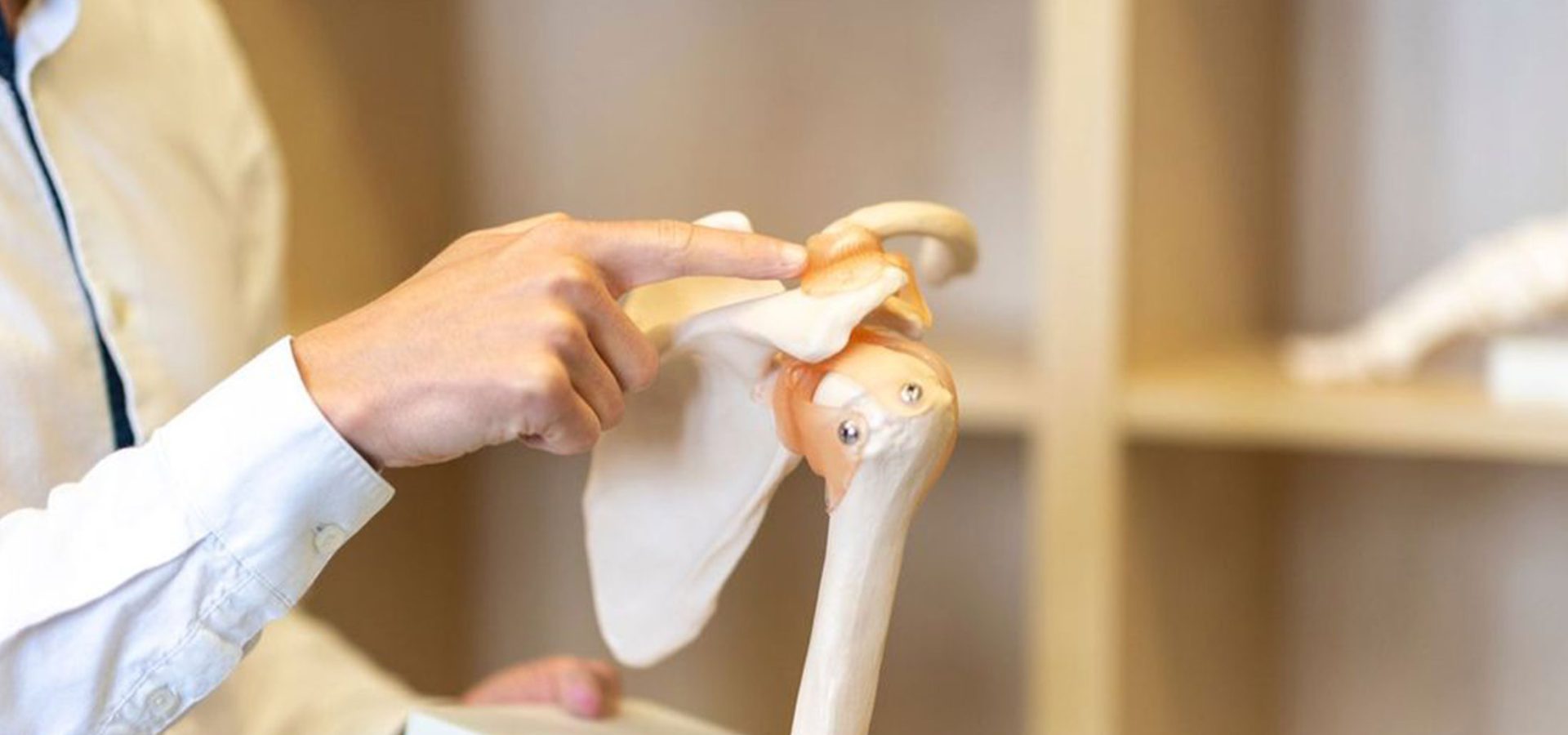
Most of us think about our heart, our weight or our blood pressure long before we think about our bones and muscles. Yet the strength of your skeleton and the amount of muscle you carry are among the best predictors of how well — and how independently — you will live in later life.
Osteoporosis: the silent disease
Osteoporosis causes bones to become fragile, so they break easily. It is often called a silent disease, because there are usually no signs or symptoms before a bone breaks. It is estimated that up to 300,000 people in Ireland have osteoporosis, and while it is more common in women after the menopause, it also affects men and, occasionally, younger people.
The consequences are not trivial. One in two women and one in four men over 50 will sustain a fracture as a result of osteoporosis, and 90% of hip fractures are due to the condition. Around 20% of people aged over 60 who break a hip will die within six to twelve months from the secondary effects of that fracture, and half will lose their independence.
The encouraging news is that osteoporosis is highly treatable — and, in most people, largely preventable. The difficulty is that it is usually only found when someone goes looking for it.
Sarcopenia: the other half of the story
Sarcopenia is the gradual, age-related loss of muscle mass and strength. It begins quietly in our thirties and accelerates from around age sixty, particularly during periods of illness, injury or inactivity. Weak muscles mean poorer balance, more falls, and slower recovery — and since it is usually a fall that breaks an osteoporotic bone, bone and muscle health are two halves of the same problem. Treating one without the other misses the point.
When should you consider a DEXA scan?
A DEXA (or DXA) scan is a quick, painless, low-radiation X-ray that measures bone density, and is the gold standard for diagnosing osteoporosis. It takes around fifteen minutes, and you remain fully clothed.
It’s worth discussing a DEXA scan with your GP if you:
- Are a woman aged 65 or over, or a man aged 70 or over
- Have gone through an early menopause (before age 45)
- Have broken a bone after age 50 from a simple trip or fall
- Have taken oral steroids (such as prednisolone) for three months or longer
- Have lost height, or developed a stooped posture
- Have a condition associated with bone loss — rheumatoid arthritis, coeliac disease, inflammatory bowel disease, an overactive thyroid or parathyroid, chronic kidney or liver disease, type 1 diabetes, or a history of an eating disorder
- Are on medication associated with bone loss — including hormone treatments for breast or prostate cancer, and some anti-epileptic drugs
- Are already on treatment for osteoporosis and are due a review of how well it is working
The Irish Osteoporosis Society recommends that anyone with one or more risk factors for bone loss should be referred for a DXA scan.
At Sliabh Medical Practice, we are fortunate to have DEXA scanning on-site, so patients can be scanned, assessed and started on a plan without a hospital referral or a long wait. Dr. Ciaran Foley is a Certified Clinical Densitometrist (CCD) and leads the service. The same machine also performs body composition scanning, which measures muscle and fat distribution — useful both for tracking sarcopenia and for monitoring progress in our weight management clinic.
What you can do — starting today
Bone and muscle respond to how you treat them at every age.
- Move, and lift something heavy. Weight-bearing exercise — walking, jogging, dancing, racquet sports, stair climbing — signals bone to stay strong. Resistance training two to three times a week is the single most effective thing you can do for muscle, and it is never too late to start. People in their eighties gain strength with training.
- Work on your balance. Falls break bones. Anything that challenges balance — standing on one leg while the kettle boils, tai chi, yoga, Pilates — reduces falls risk meaningfully.
- Eat enough protein. Muscle cannot be built from nothing. Aim to include a good source of protein at each meal rather than loading it all into your evening meal.
- Mind your calcium and vitamin D. Adults generally need around 1,000mg of calcium daily, rising to roughly 1,200mg after the menopause or over 65 — from dairy, fortified alternatives, tinned fish with bones, and green vegetables. Because of Ireland’s latitude, most of us cannot make enough vitamin D from sunlight through the winter, and supplementation is recommended, particularly from October to March and for older adults year-round. Ask us what dose is appropriate for you.
- Stop smoking, and keep alcohol within limits. Both directly accelerate bone loss, and both are modifiable.
- Don’t ignore a broken bone. A fracture from a minor fall after the age of 50 is not bad luck. It is a warning sign, and it warrants investigation.
Talk to us
If any of the risk factors above apply to you — or if you’d simply like to know where your bones and muscle currently stand — book an appointment to discuss a DEXA scan with one of our GPs.